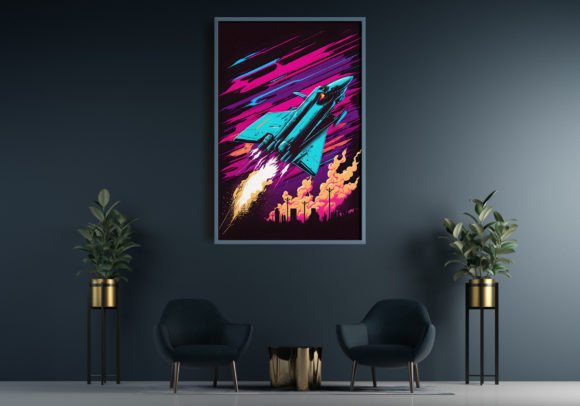
Galaxy Design Illustrations: Unlocking Cosmic Creativity for Your Projects
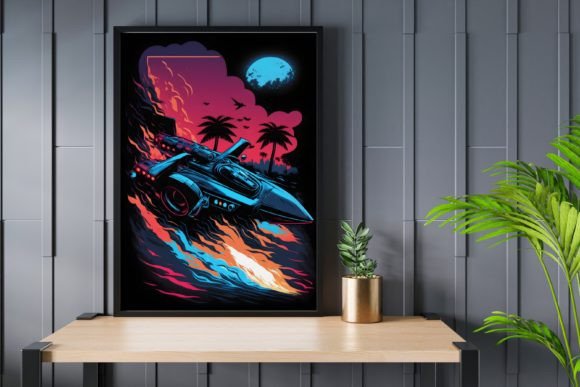
When you’re working on a project that needs to stand out, the assets you choose are everything. You need high-impact visuals that don’t just fill space but actually communicate a specific mood or energy. That’s where Galaxy Design Illustrations come into play. It’s not just a collection of random space-themed images; it’s a cohesive suite of design assets that brings a specific kind of ethereal, expansive quality to the table. The appeal here is immediate: deep, rich colors, intricate star patterns, and nebula-inspired forms that feel both vast and detailed. It has a personality that’s simultaneously mysterious and vibrant, making it a versatile tool for anyone from a graphic designer to a small business owner looking to inject some wonder into their brand.
More Than Just a Pretty Picture: The Technical Edge
One of the most critical aspects of any design asset is its technical foundation. A beautiful concept falls apart quickly if the file is low-resolution or poorly formatted. Galaxy Design Illustrations are built on a solid base: a JPG file with dimensions of 4096 x 6144 pixels. This isn't just a number on a spec sheet. This high resolution is what gives you real-world flexibility. It means you can take this illustration and scale it for a large-format banner, a detailed poster, or even a t-shirt design without worrying about pixelation or a loss of clarity. The end result will look sharp, professional, and satisfying, whether it’s viewed on a high-density screen or printed at a significant size.
This technical quality directly influences how the asset performs in different applications. For print projects, like posters or merchandise, this resolution is non-negotiable. It ensures that the fine details—the subtle gradients of a nebula or the crisp points of stars—remain intact. For digital use, while you might size it down for a website header or social media graphic, starting with such a high-resolution master file means you’re working with the best possible source material. It’s a practical safeguard for maintaining professionalism across all your creative work.
Where This Cosmic Style Truly Shines
So, where does a design asset like this actually work best? Its strength lies in projects that aim for a specific emotional or thematic response. Think about contexts where you want to evoke innovation, depth, imagination, or a futuristic vibe. It’s a natural fit for science fiction book covers, tech startup branding, music album artwork, or event posters for something like a planetarium show or a cosmic-themed festival. The style is inherently modern and clean, yet full of visual complexity, making it a strong candidate for projects that need to balance sophistication with impact.
For entrepreneurs and brand strategists, incorporating Galaxy Design Illustrations into a brand identity can set a distinct tone. It could be the perfect backdrop for a wellness brand focused on mindfulness and the universe, or a sleek accent for a software company’s marketing materials. The key is alignment with your brand’s core message. Used thoughtfully, it doesn’t just decorate; it communicates a set of values—exploration, possibility, and clarity.
Practical Guidance for Integration and Use
Knowing an asset exists is one thing; using it effectively is another. Here’s some practical advice for integrating Galaxy Design Illustrations into your workflow. First, always consider the context. This type of illustration is a powerful display element. It’s designed to grab attention, so it works exceptionally well as a hero image, a background for text overlays, or a central visual in a layout. Pair it with clean, legible typography—a modern sans serif font often works beautifully to keep the text readable against the detailed cosmic backdrop.
Think about visual hierarchy. The illustration should support your message, not overwhelm it. If you’re creating a poster, ensure your headline and key information have enough contrast and space to stand out. For social media graphics, consider how the design will crop on different platforms. The high resolution gives you the freedom to reframe the image without losing quality, which is a huge advantage for multi-platform campaigns.
From a workflow perspective, treat it like any other premium design asset. Save the original file untouched. When you use it in a project—whether in Adobe Photoshop, Illustrator, Canva, or any other software—work on a copy. This preserves the master file for future projects with different needs. If you’re using it for commercial work, always double-check the licensing terms to ensure your specific use case is covered, especially for merchandise or large-scale printing.
Evaluating Fit and Building Cohesion
Not every project calls for a galaxy. The first step is evaluating whether this style aligns with your project’s goals and audience. Ask yourself: Does this illustration’s personality—its sense of wonder, depth, and modernity—match what I’m trying to communicate? If your project is rustic, traditional, or minimalist in a very understated way, this might not be the right fit. But if you’re aiming for something contemporary, creative, and slightly bold, it’s worth exploring.
Once you decide to use it, build cohesion. Let the color palette of the galaxy illustration inform other design choices. Pull out a deep blue, a vibrant purple, or a shimmering silver to use as accent colors in your text, borders, or other graphical elements. This creates a unified look that feels intentional and professional. Consider using it as a consistent element across a campaign—for example, the same nebula background used subtly across a website’s section headers, a brochure, and an email newsletter template—to strengthen brand recognition.
Ultimately, Galaxy Design Illustrations are a powerful tool in your creative arsenal. Their value lies in their combination of stunning visual appeal and robust technical quality, offering both immediate impact and long-term flexibility. By understanding their personality, applying them thoughtfully to the right projects, and integrating them with care, you can leverage these assets to create work that truly resonates and stands out in a crowded visual landscape.