Wildflower Clipart Illustrations: 20 Designs for Your Projects
The Natural Charm of Hand-Drawn Florals
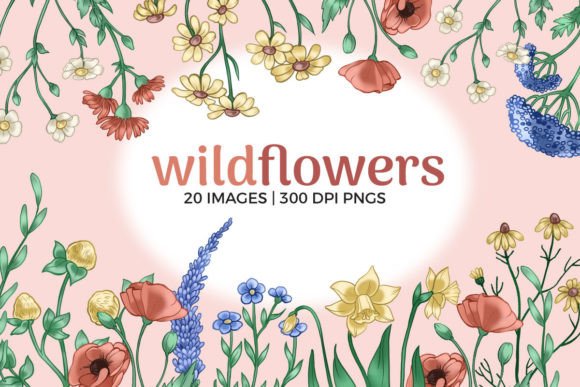
There’s a certain warmth that hand-drawn botanicals bring to a design. They feel personal, crafted, and alive with a gentle, organic energy. This collection of Wildflower Clipart Illustrations captures that essence perfectly. These aren’t sterile, generic flowers; they are twenty unique illustrations, each with its own personality—some with delicate petals, others with intricate leaves and stems. The style leans into a natural, slightly textured aesthetic that feels both timeless and contemporary. It’s the kind of visual language that communicates authenticity, care, and a connection to the natural world, which is a powerful tool in any designer’s or creator’s toolkit.
The appeal lies in their versatility and inherent charm. Each illustration is rendered with a soft, illustrative quality that avoids being overly simplistic or cartoonish. This makes them suitable for a wide range of projects, from elegant wedding invitations to vibrant, modern social media graphics. The visual personality is one of understated beauty and organic flow. They can evoke feelings of springtime freshness, rustic simplicity, or bohemian elegance depending on the context in which they’re used. For a brand, this means being able to craft a visual identity that feels approachable, genuine, and aesthetically pleasing without relying on overused stock imagery.
Practical Applications for Designers and Creators
The true value of any design asset is in its application. These Wildflower Clipart Illustrations are designed as practical tools for a multitude of creative endeavors. As a designer, I find them indispensable for adding a layer of organic texture to digital and print layouts. Imagine using them to create beautiful, layered backgrounds for websites or presentation slides. They can serve as elegant accents in editorial design, breaking up blocks of text in a magazine layout or adding a decorative touch to a book chapter header. For packaging design, they can transform a simple label into something that feels artisanal and high-quality, perfect for products like organic skincare, teas, or handmade stationery.
For entrepreneurs and small business owners, these illustrations offer a way to build a cohesive and recognizable brand identity. You can create a unique set of social media graphics, design custom thank you cards for your customers, or develop product tags that stand out. The fact that each clipart is a high-resolution, transparent PNG file means you have maximum flexibility. You can overlay them on any background, scale them without losing quality, and combine them to create your own unique floral arrangements. This level of control is essential for maintaining brand consistency across all your touchpoints, from your website to your printed marketing materials.
Integrating Organic Elements into Your Visual Strategy
Using botanical elements effectively goes beyond just dropping a flower onto a page. It’s about creating visual hierarchy and guiding the viewer’s eye. A single, well-placed wildflower illustration can act as a focal point or a subtle anchor for text. A cluster of them can create a border or frame that draws attention to a central message. In terms of brand perception, incorporating hand-drawn floral art can soften a corporate identity, making it feel more human and relatable. It can signal values like sustainability, craftsmanship, and attention to detail. For a blogger or content creator, consistent use of these graphics can become a signature part of your visual style, increasing recognition and engagement.
When working with this collection, consider the principles of font pairing and overall design composition. These illustrations have a natural, flowing quality that pairs beautifully with certain typography. Try combining them with a clean sans serif font for a modern, balanced look. They also complement elegant script or handwritten fonts for a more romantic or personal feel. The key is to let the illustrations enhance your message, not compete with it. Use them to create breathing room in your designs, to add a touch of color, or to reinforce a seasonal theme. Their versatility allows them to support a wide range of visual narratives, from minimalist to maximalist approaches.
Getting the Most from Your Design Assets
Once you have these assets, the next step is strategic implementation. Start by reviewing all twenty illustrations. Notice the variations in color, size, and detail. Some are bold and statement-making, while others are more delicate and best used as subtle accents. This variety allows you to build a cohesive yet dynamic visual library. For a project like a wedding invitation suite, you might use a detailed flower as the main motif and simpler leaf elements as recurring details. For a series of social media posts, you could create a template where different wildflowers from the set are featured, maintaining a consistent look while keeping the content fresh.
Practical testing is always recommended. Before committing to a large project, place a few of the illustrations into your working files. Check how they interact with your chosen color palette, fonts, and other design elements. Since the files are 6x6 inches at 300 DPI, they are ready for high-quality print projects like posters, flyers, and packaging. For digital use, you have ample resolution to work with. Remember, these are creative fonts for visual projects, not typefaces, so think of them as you would any other premium design asset—tools to be used with intention and skill to elevate your work and connect more effectively with your audience.