Chair Illustrations: Unlocking Versatile Design with Vector Art
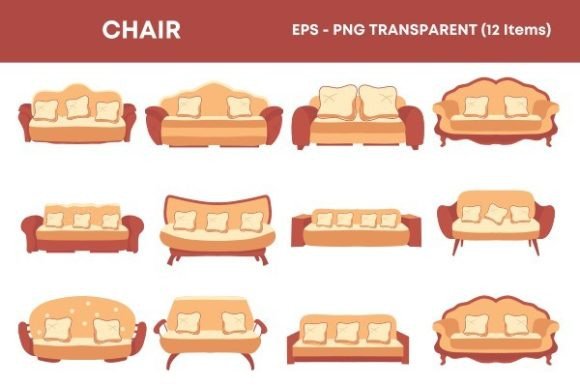
In the realm of graphic design, few assets offer the versatility of a well-crafted vector illustration. When we talk about Chair Illustrations, we aren't just discussing a simple sketch of furniture. We are looking at a foundational design asset that serves as a building block for branding, product decoration, and digital content. For designers, entrepreneurs, and small business owners, having a library of high-quality vector assets isn't just a luxury; it's a necessity for maintaining a competitive edge. This collection, featuring 12 distinct items, provides the kind of flexibility that modern creative workflows demand. Whether you are working on a tight deadline for a client or building a personal brand from the ground up, these assets are designed to integrate seamlessly into your projects.
The Anatomy of a Practical Design Asset
What makes a set of Chair Illustrations valuable to a creative professional? It comes down to the balance between aesthetic appeal and technical utility. These illustrations are designed with a specific visual personality—one that is clean, recognizable, and adaptable. Unlike complex, photorealistic images that can become muddy when scaled down, these vector graphics maintain their crispness. They possess a modern appeal that avoids being overly trendy, meaning they won't look dated in six months. The style is likely distinct enough to add character to a design but neutral enough to fit into various contexts, from corporate reports to whimsical café menus.
The true strength of this collection lies in its file formats. The inclusion of EPS files is critical for professional use. EPS, or Encapsulated PostScript, is the gold standard for vector editing. It allows you to scale the Chair Illustrations to any size—from a tiny favicon on a website to a massive billboard—without losing a single pixel of quality. This is essential for logo design, packaging design, and large-format printing. On the other hand, the PNG (Transparent) files offer immediate convenience. With the background already removed, these files are drag-and-drop ready for web design, social media graphics, and presentations. This dual-format approach ensures that whether you need to deeply customize the artwork or simply need a quick visual element, the asset is ready for the task.
Real-World Applications for Entrepreneurs and Creators
Let’s move beyond theory and look at how these assets function in the wild. For a furniture store owner or an interior design blogger, these Chair Illustrations are a lifeline. Imagine creating a pattern for a tote bag or a gift wrap. By repeating the chair vectors, you can create a cohesive branded look that feels professional and intentional. This is a classic example of how design assets can transform ordinary merchandise into high-perceived-value products.
For digital marketers and content creators, the applications are equally broad. Social media feeds are crowded, and originality is the currency of engagement. Instead of relying on the same tired stock photos that every other brand uses, you can use these illustrations to create unique infographics or stylized headers. A marketing agency could use the Chair Illustrations to symbolize "seating" for an event invitation or "workplace" for a B2B whitepaper. Because the backgrounds are transparent, they layer beautifully over textures, gradients, and photography, adding depth to your visual hierarchy.
Integrating Vectors into Your Brand Identity
Brand consistency is often discussed in terms of typography and color, but illustration style plays a massive role in recognition. Using a consistent set of illustrations, like these Chair Illustrations, helps build a visual language for your brand. If you are a publisher or a blogger, incorporating these into your editorial design can break up text-heavy pages, making your content more digestible and engaging for the reader.
When considering how these fit into your broader design strategy, think about how they interact with your typography. While these are images rather than a display font or serif font, they share the same spatial requirements. Good design is about the relationship between elements. A playful, rounded illustration pairs well with a sans serif font or a script font, creating a friendly and approachable vibe. Conversely, a more structured illustration might suit a modern typography setup used in corporate web design. The goal is to create a conversation between your text and your imagery, ensuring neither feels out of place.
Practical Guidance for Selection and Usage
Before you download and start using any design asset, it is vital to evaluate the fit for your specific project. Here is a practical checklist for utilizing these vectors effectively:
- Scalability Check: Always test the EPS File at the size you intend to print. Zoom in to ensure the lines are clean and the curves are smooth. This is particularly important for packaging design where clarity affects the consumer's perception of quality.
- Color Harmony: Since these are vectors, they are easily editable. Ensure that the colors of the Chair Illustrations align with your brand identity. Don't just use the default colors; customize them to match your brand palette for a cohesive look.
- Contextual Relevance: Does the style of the chair match the tone of your project? A minimalist line drawing works for a modern tech startup, while a more detailed illustration might suit a vintage-themed cafe menu. Context is everything in visual communication.
- Layering and Composition: When using the PNG (Transparent) files, pay attention to the negative space around the object. Even though the background is transparent, the visual "weight" of the illustration needs to be balanced with your text and other design assets.
Ultimately, the value of these Chair Illustrations lies in their ability to save you time while elevating your creative output. They serve as a bridge between a concept and a polished final product, allowing you to focus on the message rather than struggling with the mechanics of drawing. By integrating these versatile vectors into your toolkit, you ensure that your visual communications remain sharp, professional, and engaging across every platform.